
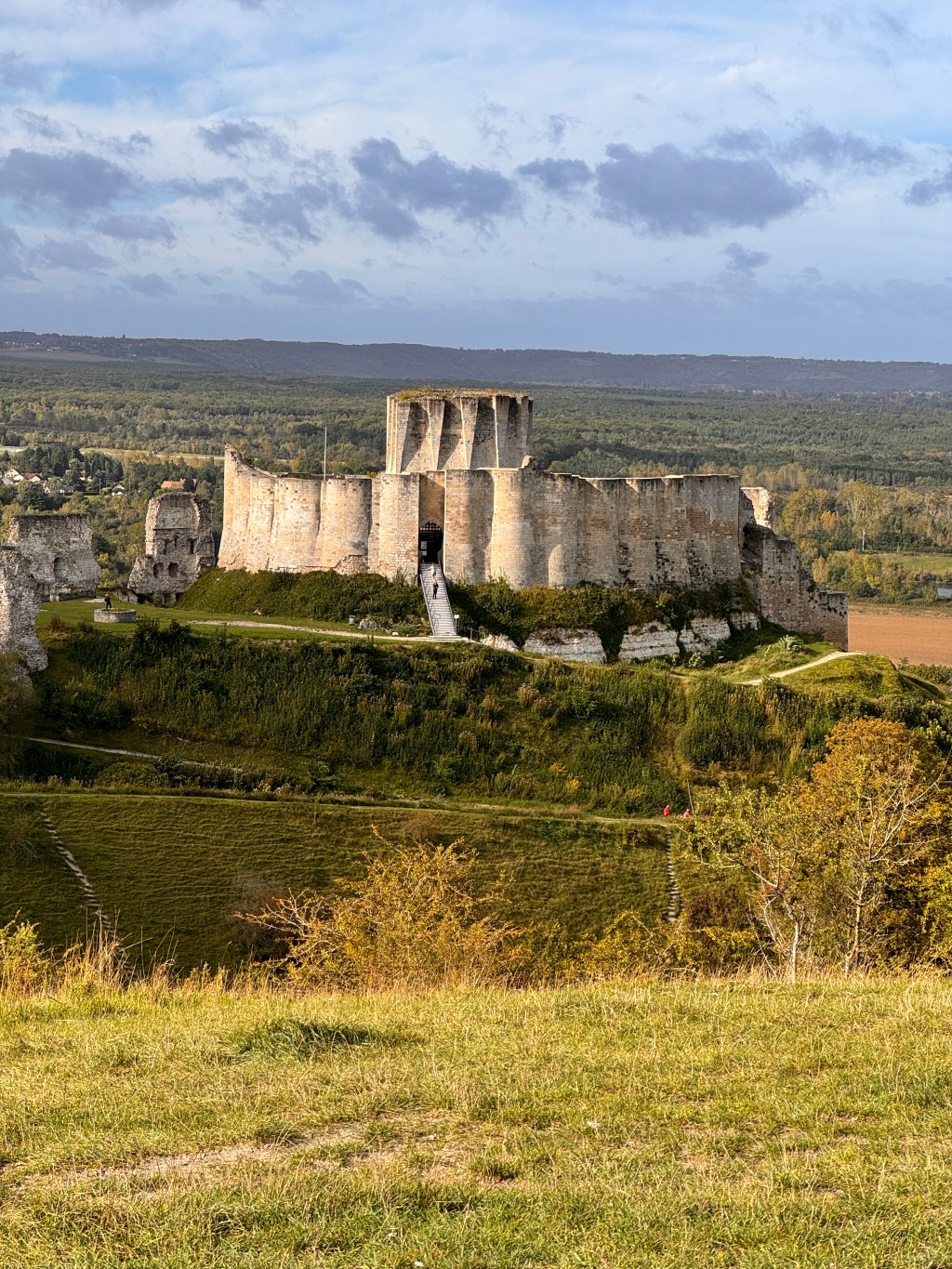
We recently had the incredible opportunity to visit!
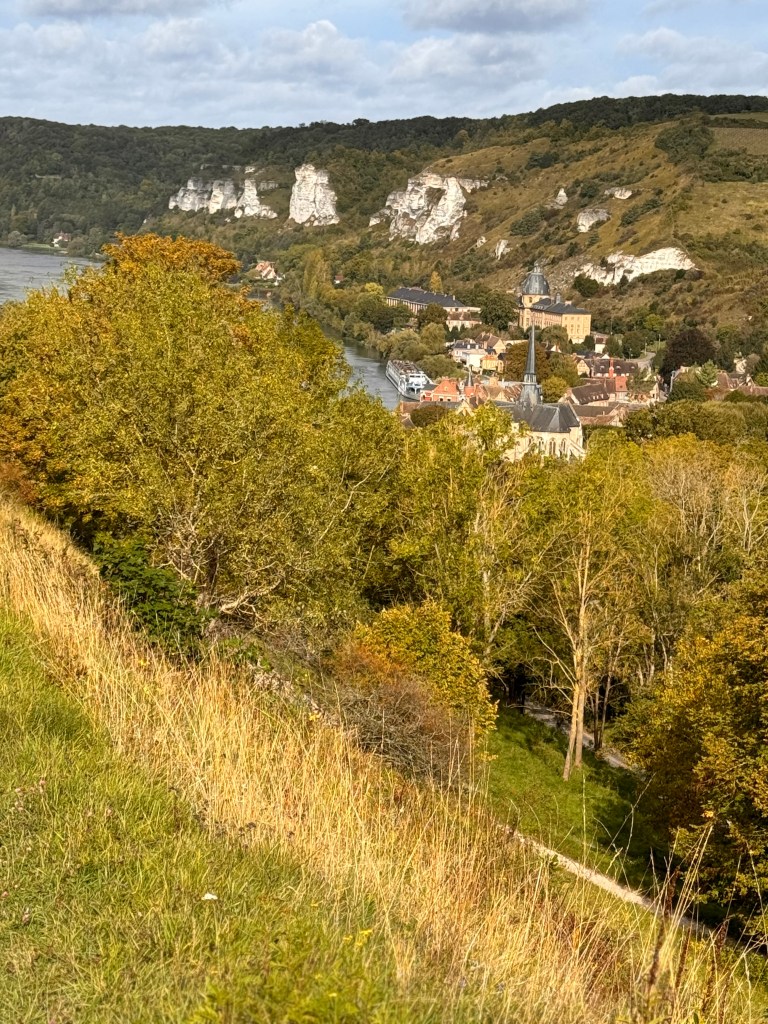
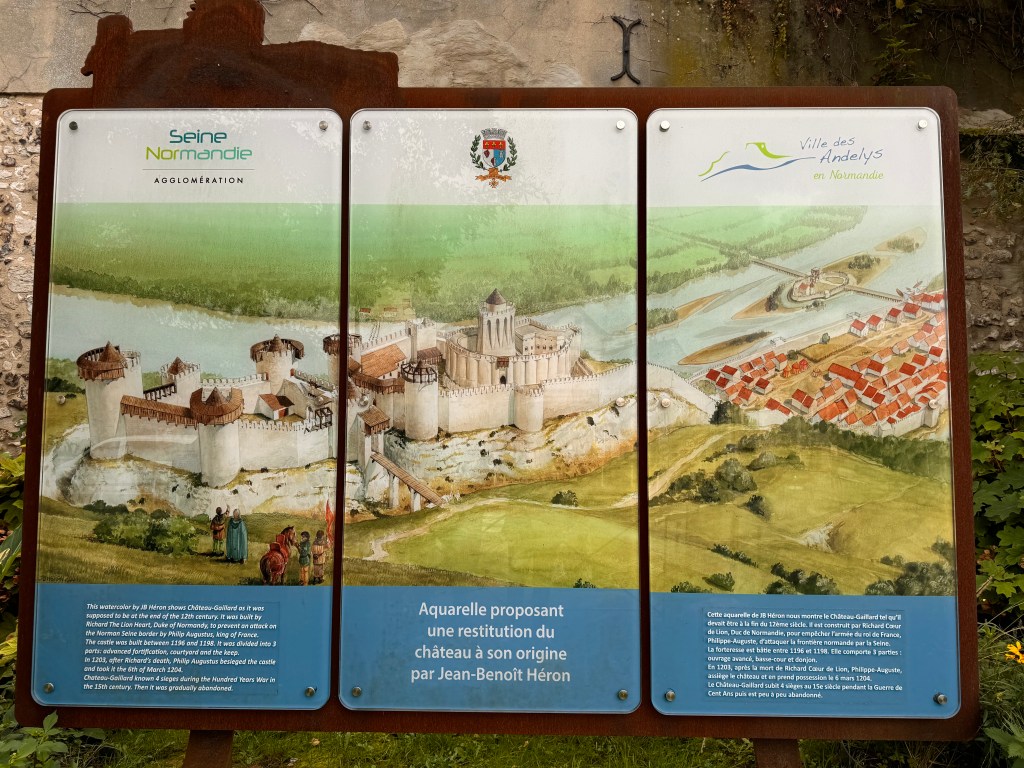
Considered cutting edge example of military architecture in its day, the Château-Gaillard was constructed by Richard the Lionheart in record time on the high chalk cliffs dominating a great meander in the River Seine. Today it is now a well visited ruin, but two villages below, Le Grand Andelys and Le Petit Andelys merged over time to form one riverside village, Les Andelys, in the heart of an area of outstanding natural beauty.
Such a powerful and indulged site has attracted settlers , sailors and fishermen since prehistoric times: there are traces of Neolithic settlement, as well as a Gallo-Roman sanctuary. And there is a royal connection: Clothilde, Queen to Frankish King Clovis in the early sixth century founded an abbey church here in the year 511; one of the first in the area. The Notre-Dame collegiate church was built in the 13th century on the site of an abbey founded in 511 by Saint Clotilde, wife of king Clovis and destroyed by the Vikings around the year 900.

RICHARD THE LIONHEART’S CASTLE
Richard the Lionheart inherited Normandy from his father, Henry II, in 1189 when he ascended the throne of England
He then ruled a kingdom that stretched from the Pyrenees to the Scottish borders, encompassing England, Normandy, Aquitaine, Poitiers, Maine and Anjou. He had the castle built to protect his Norman possessions, and its capital, Rouen. It took just two years, 1196-1198, some say possibly in only one. Richard died of gangrene after he was shot by a crossbow bolt in 1199. He was succeeded by his hapless, hopeless and helpless brother King John who would soon be landless as well (he is known by history as King John the Landless) since he lost both the castle and Normandy as a result!
There are a few things to echo in the history of the Château Gaillard. In 1334 the King of Scotland, 10-year-old David II, was in exile in France and was given the château as a residence. A chronicler recounts “David de Brus, son of Robert de Brus of Scotland, a young man of about thirteen years, and his wife, sister of the king of England, were led secretly to France by some of their partisans in order to be withdrawn from the prosecutions of their adversaries”. David de Brus and his wife remained safely ensconced at the castle until 1341.
By 1616 the Château Gaillard was in the state of ruin. Today, only vestiges remain of the stone walls, the servants’ hall, the kitchens, the buttery, the chapel, the wells, the smithy, the armory, the stables, all the courtyard buildings necessary to maintain a castle life.
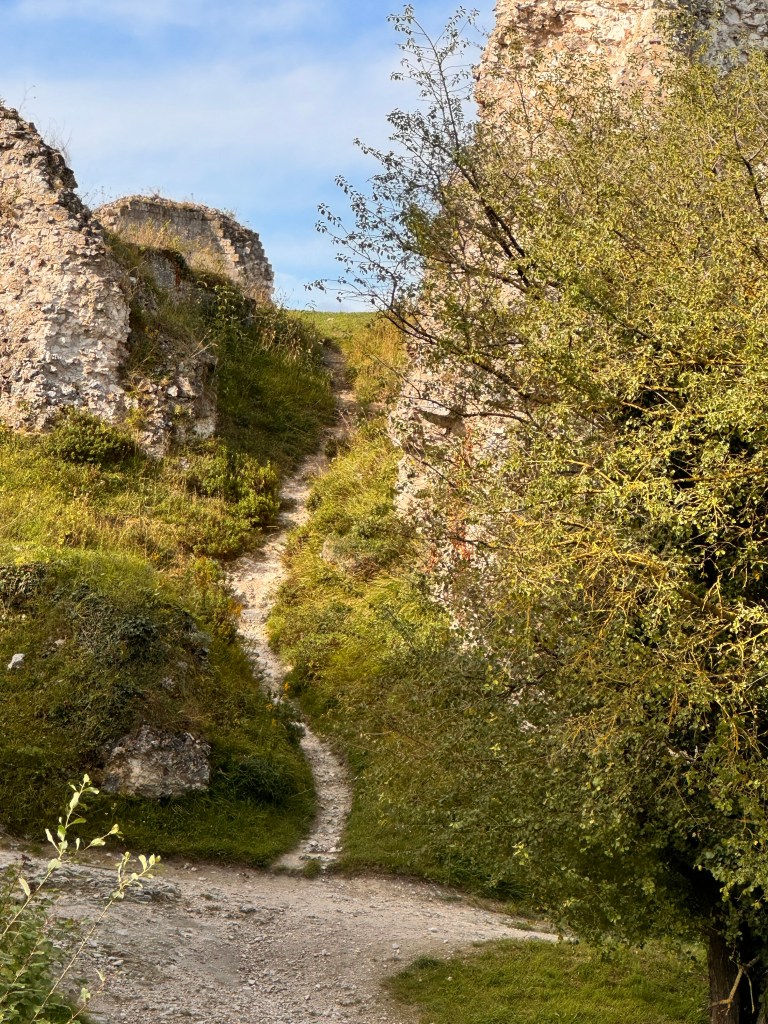
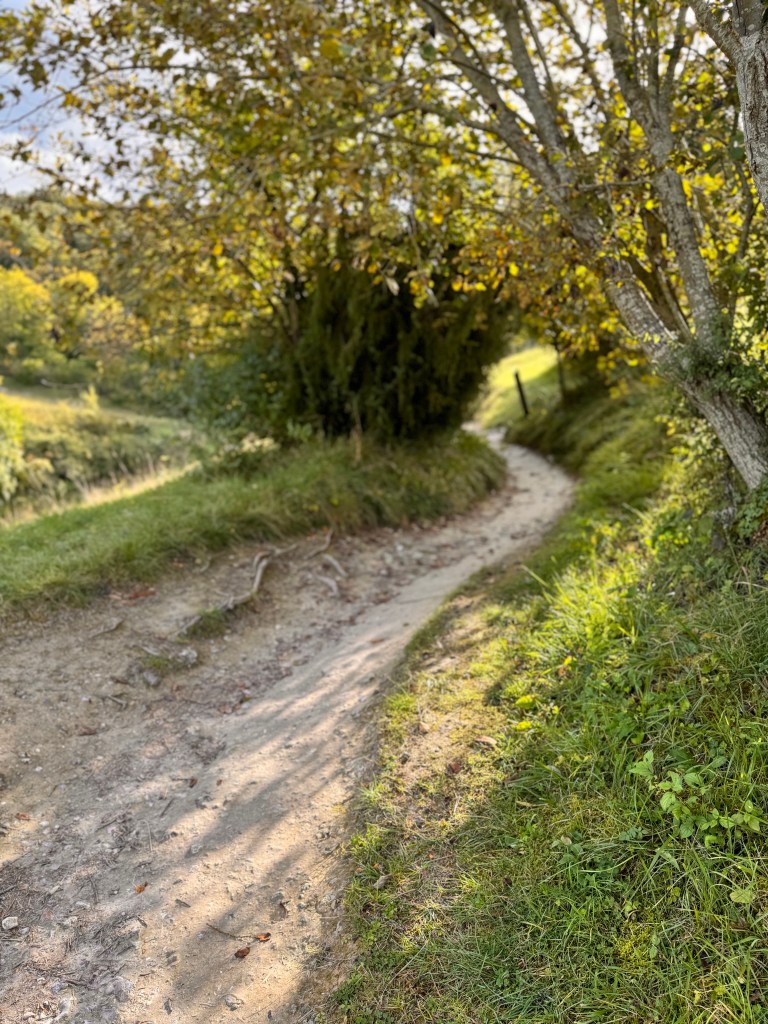
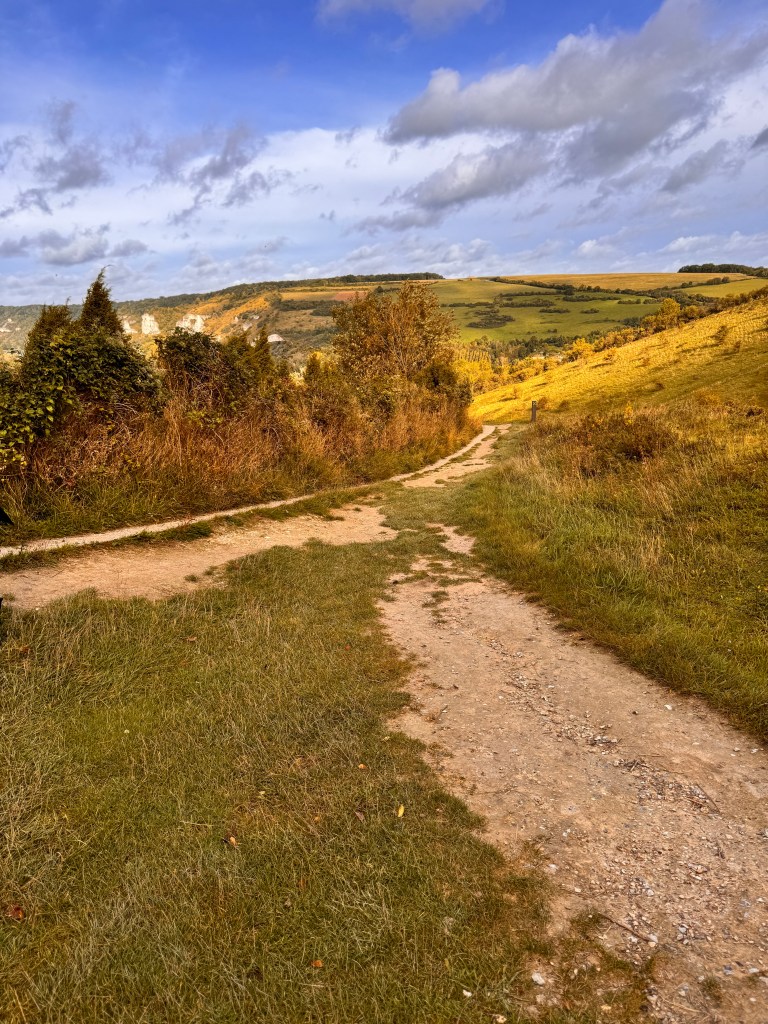
The castle ruins are listed as a monument historique by the French Ministry of Culture. The inner bailey is open to the public from March to November, and the outer baileys are open all year. It is an adventurous uphill trek along narrow paths of rock and stone!
Ciao!

 Ancora
Leave a comment